Online shopping has become an important part of everyday life, with Australian consumers expecting convenient browsing, personalised recommendations, secure payments, and reliable delivery services. As competition across the e-commerce industry continues to grow, businesses need effective ways to understand customer expectations and improve their digital platforms. Data plays an essential role in this process by helping online retailers identify shopping patterns, understand customer preferences, and create more engaging purchasing experiences.
Understanding Customer Behaviour Through Data
Customer behaviour data helps e-commerce businesses understand how visitors interact with their websites and mobile applications. By examining browsing activities, product searches, purchase histories, and shopping cart interactions, retailers can identify what customers want and where they encounter difficulties.
For example, if customers frequently leave a website during checkout, businesses can investigate possible issues such as complicated payment processes, unexpected delivery costs, or limited payment options.
Understanding these patterns allows retailers to make improvements that create smoother shopping journeys and encourage customers to complete their purchases.
Personalising the Online Shopping Experience
Personalisation is an effective way to make online shopping more relevant to individual customers. Data analytics allows businesses to recommend products based on previous purchases, browsing preferences, and customer interests.
Australian e-commerce retailers can use customer information to develop personalised product suggestions, promotional offers, email campaigns, and website content. These recommendations can help shoppers discover relevant products without spending excessive time searching.
However, businesses should maintain transparency about how customer information is collected and used to protect consumer trust.
Refer to these:-
- Why Choose DataMites Institute for Data Analytics Courses in Jaipur?
- How Unstructured Data Fuels Big Data Analytics
- Guaranteeing Data Precision and Dependability
Important Ways to Use Data in E-Commerce
Data analytics can support several aspects of online retail operations and customer experience.
- Product Recommendations: Analyse customer preferences to suggest relevant products and complementary items.
- Website Performance: Identify slow-loading pages, navigation difficulties, and technical issues affecting usability.
- Customer Segmentation: Group shoppers according to purchasing behaviour, interests, and engagement patterns.
- Inventory Management: Forecast product demand and maintain appropriate stock availability.
- Shopping Cart Analysis: Understand why customers abandon purchases and improve the checkout experience.
- Marketing Optimisation: Evaluate campaign performance to identify effective promotional strategies.
- Customer Feedback Analysis: Examine reviews and enquiries to identify opportunities for service improvement.
Using these insights helps businesses make informed decisions while creating a more convenient shopping environment.
Improving Customer Retention With Predictive Analytics
Attracting new customers is important, but retaining existing shoppers is equally valuable for sustainable e-commerce growth. Predictive analytics helps retailers identify customers who may stop purchasing or become less engaged.
By analysing buying frequency, order history, customer feedback, and website interactions, businesses can recognise changes in shopping behaviour. Retailers can then introduce relevant loyalty programmes, personalised discounts, or targeted communication to improve customer engagement.
Predictive analytics can also help businesses anticipate seasonal demand, manage inventory more effectively, and prepare for changing consumer preferences.
Developing Analytical Skills Through Professional Training
The growing importance of data-driven retail strategies has increased the demand for professionals who understand data analytics, programming, and business intelligence. Individuals interested in developing these capabilities can explore online Data Science Training in Australia to gain practical knowledge of analytical tools and techniques.
Learning subjects such as Python, SQL, machine learning, and data visualisation can help aspiring professionals understand how customer information is transformed into useful business insights. Practical projects also provide opportunities to apply these skills to real-world e-commerce challenges.
Building Industry-Relevant Expertise in Melbourne
Melbourne offers opportunities for professionals interested in technology, digital commerce, and business analytics. Developing relevant technical knowledge can help individuals contribute to organisations that rely on customer insights and digital performance analysis.
Enrolling in online Data Science Training in Melbourne can provide learners with flexible opportunities to strengthen their analytical capabilities. Industry-focused learning can also help professionals understand customer segmentation, predictive modelling, and data-driven decision-making in modern retail environments.
Protecting Customer Information and Building Trust
While customer data offers valuable insights, protecting personal information must remain a priority. Australian e-commerce businesses should follow applicable privacy requirements, use secure data storage systems, and establish transparent information-handling practices.
Retailers should collect only relevant information, restrict unauthorised access, and communicate clearly about how customer data is used. Responsible data management helps maintain consumer confidence and supports long-term business relationships.
Data analytics is transforming how Australian e-commerce businesses understand customers and improve online shopping experiences. From personalised recommendations and predictive analytics to website optimisation and inventory planning, data provides valuable opportunities to create more convenient and engaging digital platforms.
Businesses that combine customer insights, modern analytical technologies, and responsible data practices can strengthen customer relationships and remain competitive in Australia's evolving e-commerce industry.
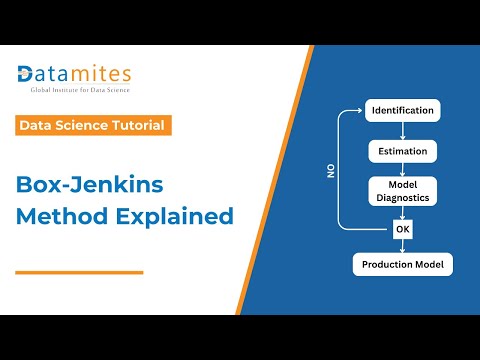
Box Jenkins Method Explained



No comments:
Post a Comment